AI Browser Dia Launches Publicly: The Future of Browsing is Here?
Today’s AI news spotlights a potentially transformative shift in how we interact with the internet. The Browser Company has officially launched Dia, its AI-powered browser, to the public on Mac. This marks a significant moment, opening up AI-driven browsing to a wider audience and sparking a debate about the role of AI in our daily online experiences.
According to MacRumors, Dia has been in beta since June, but this public release signifies a new phase in its development and adoption. It’s not just about a new interface or a few added features; it’s about fundamentally changing how we search for, process, and interact with information online.
AI Takes the Wheel: From Web Surfing to Romantic Relationships
Today’s AI news paints a picture of a technology rapidly embedding itself into nearly every facet of our lives. We’re seeing AI evolve from a helpful tool to a more proactive agent, capable of independent action and even, surprisingly, a source of companionship.
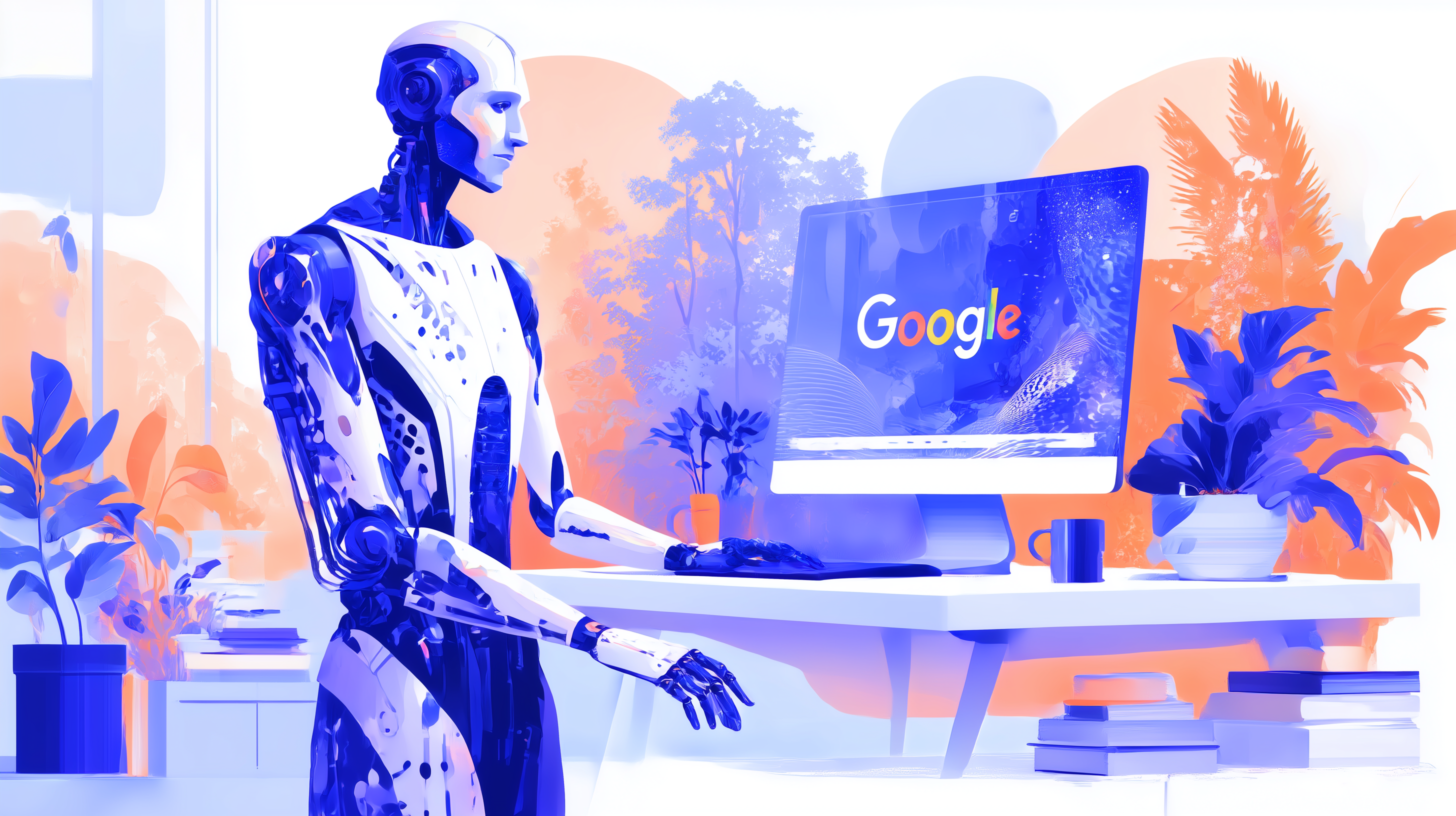
The big story is Google’s announcement that it’s launching an extensions system for its Gemini CLI (command-line interface). This move allows outside companies to directly integrate into the AI product, further expanding its capabilities and reach. Even more impressive, VentureBeat reports that Google’s AI, powered by Gemini 2.5 Computer Use, can now independently browse the web, click buttons, and complete forms. This shift towards AI agents capable of autonomous action has significant implications for how we interact with the internet and conduct online tasks.
AI Navigates the Web and Designs New Viruses: Today's AI Highlights

From AI agents learning to browse the web like humans to the potential for AI to design novel viruses, today’s AI news paints a picture of both incredible progress and potential peril. The developments highlight the accelerating pace of AI development and the increasingly complex ethical considerations that accompany it.
Google’s latest Gemini AI model is making waves with its ability to use a web browser to navigate and interact with web pages, just like a human user. According to The Verge, this new “Computer Use” model can click, scroll, and type within a browser window, allowing it to access data not available through traditional APIs. This signifies a move towards more versatile and autonomous AI agents that can independently gather information and perform tasks online.
AI Springs Forward: Code-Patching Bots, Gadget Quirks, and the Ever-Expanding Browser

The AI world never sleeps, and today’s news proves it. From Google DeepMind’s foray into automated code repair to OpenAI’s hardware ambitions and the continued evolution of AI-powered browsers, we’re seeing AI permeate new corners of our digital lives. Buckle up, because there’s a lot to unpack.
First up, Google DeepMind has unveiled CodeMender, an AI agent designed to autonomously detect, patch, and rewrite vulnerable code. Imagine an AI security guard, constantly patrolling the digital landscape and fixing weaknesses before they can be exploited. This could be a game-changer for software security, potentially preventing countless hacks and data breaches. While the prospect of AI wielding such power might raise some eyebrows, the potential benefits are hard to ignore.
AI in the News: Reinforcement Gaps, AI Workstations, and Ethical Concerns

Today’s AI news paints a multifaceted picture of an industry grappling with uneven progress, powerful new hardware, and the ethical implications of its creations. From advancements in AI coding tools to concerns about generative AI, here’s a snapshot of what’s happening in the world of AI.
One of the most intriguing pieces comes from TechCrunch, which discusses the “Reinforcement Gap.” The article highlights that AI tasks that lend themselves well to reinforcement learning—where AI agents learn through trial and error, receiving rewards for desired behaviors—are improving at a breakneck pace, particularly in areas like coding. This rapid advancement in specific domains risks leaving other areas of AI development behind, creating a disparity in capabilities. The piece underscores how quickly AI coding tools are evolving, with GPT-5 and Gemini 2.5 unlocking new possibilities for developers.
AI's Reach Expands: From Living Computers to Code Assistance and Biosecurity Concerns

Today’s AI news paints a picture of rapid advancement and increasing integration into various aspects of our lives. From groundbreaking research into “living” computers to practical AI tools for developers, and even concerns about AI-designed bioweapons, the field continues to evolve at a dizzying pace.
One of the most fascinating stories comes from the BBC, reporting on scientists racing to create “living” computers powered by human cells. This ambitious project aims to build computers using “mini brains” grown in the lab, potentially revolutionizing computing by leveraging the complex processing power of biological systems. Read more on BBC
AI Hardware Heats Up, Apple Integrates Local AI, and More

Today’s AI news is a mix of hardware innovation, software integration, and a reminder of AI’s growing influence on our daily lives. From a potential Nvidia rival to Apple’s local AI models powering app features, here’s a summary of the most important AI stories.
The biggest headline is the emergence of a new AI hardware startup, Unconventional, Inc., founded by Naveen Rao, formerly the head of AI at Databricks. The company is reportedly seeking a massive $1 billion in funding at a $5 billion valuation, with backing from a16z. The goal? To build a competitor to Nvidia, which currently dominates the AI chip market, using a novel approach. This suggests a significant shift in the AI landscape, with more players entering the hardware arena to challenge the existing giants.
AI Coders, AI Browsers, and AI Glasses: The State of AI Today
The AI world never sleeps, and today’s headlines are a testament to that. From Google’s coding assistant making deeper inroads into development workflows, to Perplexity opening up its AI browser to the masses, and Apple pivoting towards AI-powered smart glasses, it’s clear AI is becoming more integrated into our daily lives, both for developers and consumers alike.

AI Everywhere: Microsoft Bundles Copilot, Adobe Goes Mobile

Today’s AI news highlights a continuing trend: AI is becoming more integrated into our everyday tools and services. From productivity suites to video editing, AI features are increasingly part of the package.
Microsoft is making a bold move by bundling its Copilot Pro AI assistant with Microsoft 365 Family in a new “Premium” subscription tier. As reported by The Verge, for $19.99 a month, users get access to both the familiar Office apps and Microsoft’s AI tools. This suggests Microsoft is betting big on AI as a core part of the productivity experience, rather than a separate add-on. The move could democratize access to advanced AI features, making them available to a broader audience who may not have otherwise subscribed to Copilot Pro independently.
AI Eyes Everywhere: Facial Recognition for Ring and Conversational Image Search from Google
Today’s AI news focuses on how the technology is becoming more integrated into our daily lives, from home security to how we search for products online. The advancements promise convenience, but also raise questions about privacy and data usage.

Amazon’s Ring cameras are getting a significant AI upgrade. The new features include facial recognition for identifying visitors and even the ability to help locate lost pets. Facial recognition has been a controversial topic, as critics worry about potential misuse and bias in the technology. Amazon seems to be addressing these concerns by giving users control over the feature and emphasizing its use for personal security.